
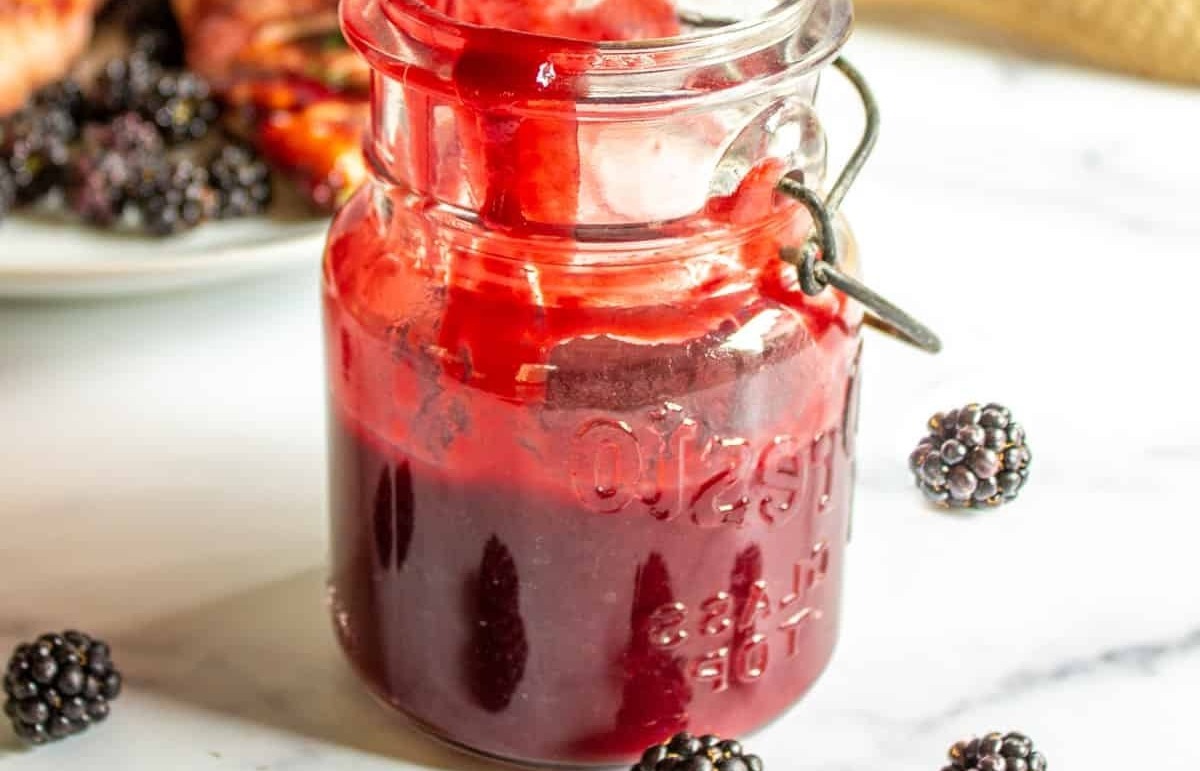
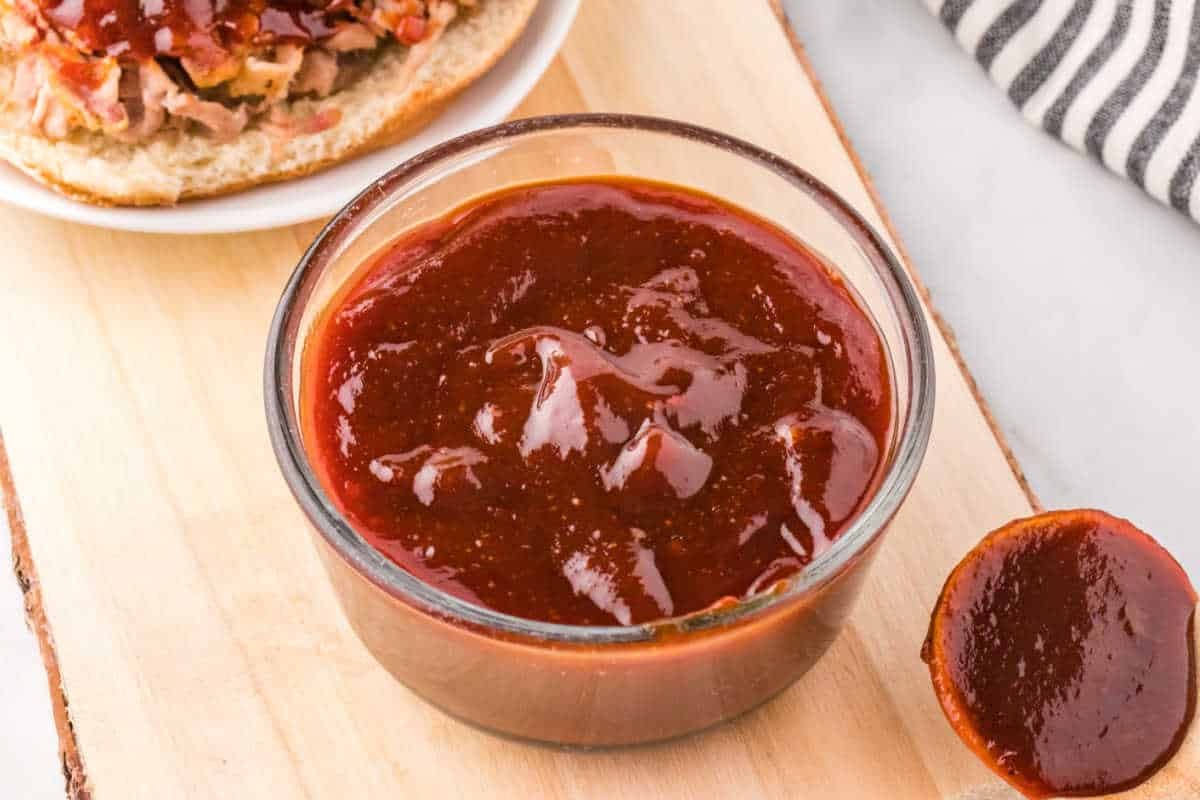
This Japanese BBQ sauce is a delightful blend of savory and sweet flavors, perfect for enhancing your grilled dishes. The combination of soy sauce, mirin, and sake creates a rich umami base, while ginger and garlic add a fragrant kick. It's a versatile sauce that can be used as a marinade, glaze, or dipping sauce.
Some of the ingredients in this recipe might not be staples in your pantry. Mirin is a sweet rice wine used in Japanese cooking, and Sake is a Japanese rice wine. Both can be found in the international aisle of most supermarkets or at an Asian grocery store. Make sure to get cooking sake, which is different from the sake you drink.
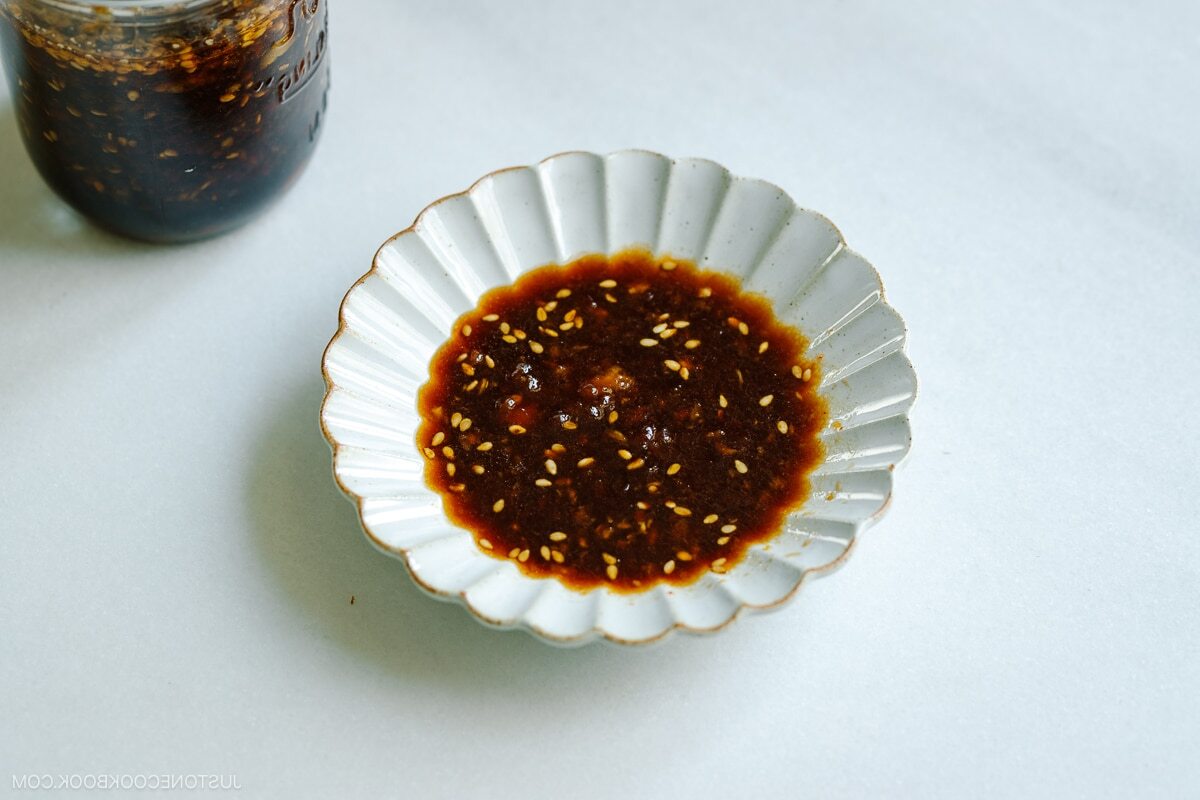
Ingredients for Japanese BBQ Sauce Recipe
Soy sauce: A salty and savory sauce made from fermented soybeans, essential for adding umami flavor.
Mirin: A sweet rice wine that adds a mild sweetness and depth to the sauce.
Sake: A Japanese rice wine that enhances the overall flavor profile with a subtle alcoholic note.
Sugar: Adds sweetness to balance the salty and savory elements.
Ginger: Freshly grated ginger adds a spicy and aromatic kick.
Garlic: Minced garlic provides a robust and pungent flavor.
Technique Tip for This BBQ Sauce
When adding ginger and garlic to the sauce, make sure they are finely grated and minced to ensure they blend seamlessly into the mixture. This will help release their flavors more effectively and create a smoother texture.
Suggested Side Dishes
Alternative Ingredients
soy sauce - Substitute with tamari: Tamari is a gluten-free alternative that has a similar umami flavor profile to soy sauce.
soy sauce - Substitute with coconut aminos: Coconut aminos are a soy-free and lower-sodium alternative that provides a slightly sweeter taste.
mirin - Substitute with rice vinegar and sugar: Mix rice vinegar with a small amount of sugar to mimic the sweetness and acidity of mirin.
mirin - Substitute with dry sherry: Dry sherry can provide a similar depth of flavor and sweetness as mirin.
sake - Substitute with dry white wine: Dry white wine can replicate the acidity and complexity of sake in the sauce.
sake - Substitute with vermouth: Vermouth offers a similar flavor profile and can be used as a substitute for sake.
sugar - Substitute with honey: Honey can add a natural sweetness and a slightly different flavor dimension to the sauce.
sugar - Substitute with maple syrup: Maple syrup provides a unique sweetness and can be used as a substitute for sugar.
grated ginger - Substitute with ground ginger: Ground ginger can be used in smaller quantities to provide a similar flavor to fresh grated ginger.
grated ginger - Substitute with galangal: Galangal has a similar spicy and aromatic profile and can be used as a substitute for ginger.
garlic - Substitute with garlic powder: Garlic powder can be used in smaller amounts to provide a similar flavor to fresh minced garlic.
garlic - Substitute with shallots: Shallots offer a milder and slightly sweeter flavor that can be used as a substitute for garlic.
Alternative Recipes Similar to This BBQ Sauce
How to Store or Freeze This Sauce
- Allow the Japanese BBQ sauce to cool completely before storing. This ensures that condensation doesn't form inside the container, which could dilute the sauce and affect its flavor.
- Transfer the cooled sauce into an airtight container. Glass jars with tight-fitting lids or BPA-free plastic containers work best to maintain the sauce's freshness.
- Label the container with the date of preparation. This helps you keep track of its shelf life, ensuring you use it within a week for the best flavor and safety.
- Store the container in the refrigerator. The cool temperature helps preserve the sauce's rich flavors and prevents spoilage.
- For longer storage, consider freezing the sauce. Pour the sauce into ice cube trays and freeze until solid. Once frozen, transfer the cubes to a freezer-safe bag or container. This method allows you to thaw only the amount you need.
- When ready to use, thaw the desired amount of sauce in the refrigerator overnight or use the defrost setting on your microwave. Avoid reheating the entire batch if you only need a small portion to maintain the sauce's quality.
- If the sauce thickens too much after refrigeration or freezing, gently reheat it in a saucepan over low heat, stirring occasionally. You can add a splash of water or sake to adjust the consistency if needed.
- Always use a clean spoon or utensil when scooping out the sauce to prevent contamination and extend its shelf life.
How to Reheat Leftovers
- Gently reheat the Japanese BBQ sauce on the stovetop over low heat. Stir occasionally to ensure even heating and prevent burning. This method helps maintain the sauce's rich flavor and texture.
- Use a microwave-safe bowl to reheat the sauce in the microwave. Heat on medium power in 30-second intervals, stirring in between, until the sauce reaches the desired temperature. Be cautious not to overheat, as it can alter the sauce's consistency.
- If you're using the sauce as a glaze for grilled meats, brush it onto the meat during the last few minutes of grilling. This will not only reheat the sauce but also infuse the meat with its savory flavors.
- For a quick reheating method, place the sauce in a heatproof container and set it in a pot of simmering water. Stir occasionally until the sauce is warmed through. This gentle method prevents the sauce from scorching.
- If you're incorporating the sauce into a stir-fry, add it during the final stages of cooking. The heat from the vegetables and meat will naturally warm the sauce, blending it seamlessly into the dish.
Best Tools for Making This BBQ Sauce
Saucepan: Use this to combine and heat the ingredients over medium heat.
Wooden spoon: Ideal for stirring the mixture to ensure the sugar dissolves properly.
Grater: Essential for grating the ginger to achieve a fine texture.
Garlic press: Handy for mincing the garlic quickly and efficiently.
Measuring cups: Necessary for accurately measuring the soy sauce, mirin, and sake.
Measuring spoons: Useful for measuring the sugar and grated ginger.
Airtight container: Important for storing the sauce in the refrigerator to keep it fresh.
Stove: Required to heat and simmer the sauce mixture.
Ladle: Useful for transferring the sauce into the airtight container once it has cooled.
How to Save Time on Making This Sauce
Prepare ingredients in advance: Measure and set aside soy sauce, mirin, sake, and sugar before starting. This ensures a smooth cooking process.
Use a microplane: Grate the ginger and garlic quickly with a microplane to save time on prep work.
Simmer while multitasking: While the sauce simmers, use the time to prep other parts of your meal, like chopping vegetables or marinating meat.
Cool quickly: Pour the hot sauce into a shallow dish to cool faster, allowing you to store it sooner.
Japanese BBQ Sauce Recipe
Ingredients
Main Ingredients
- ½ cup Soy sauce
- ¼ cup Mirin
- ¼ cup Sake
- 2 tablespoon Sugar
- 1 tablespoon Grated ginger
- 1 clove Garlic, minced
Instructions
- 1. In a saucepan, combine soy sauce, mirin, sake, and sugar.
- 2. Heat over medium heat, stirring occasionally until the sugar dissolves.
- 3. Add grated ginger and minced garlic. Stir well.
- 4. Bring the mixture to a gentle boil, then reduce the heat to low and simmer for about 10 minutes.
- 5. Remove from heat and let it cool. The sauce will thicken as it cools.
- 6. Store in an airtight container in the refrigerator for up to a week.
Nutritional Value
Keywords
More Amazing Recipes to Try 🙂
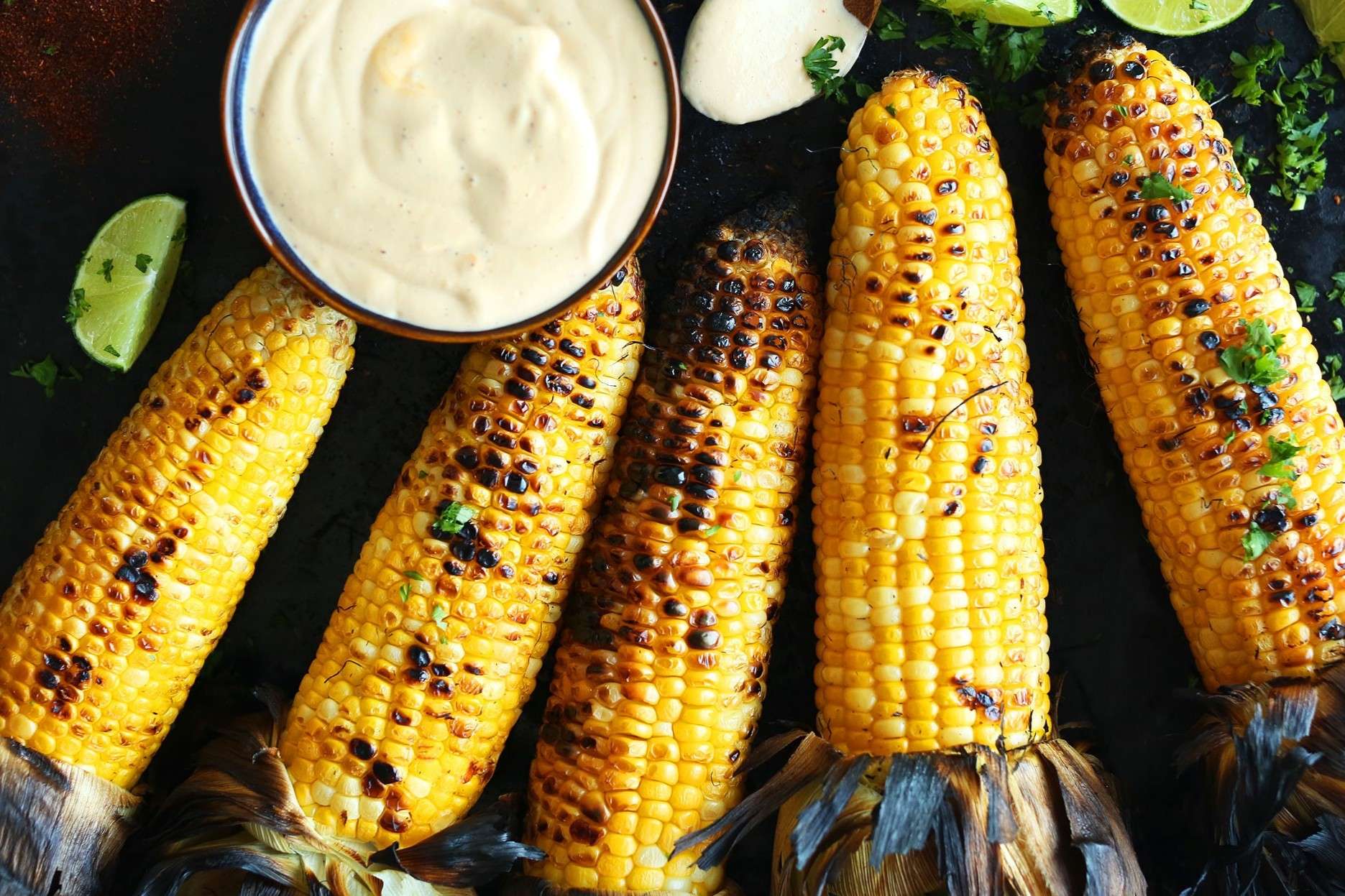
- Grilled Corn Recipe25 Minutes
- Grilled Cod with Spinach and Tomatoes Recipe25 Minutes
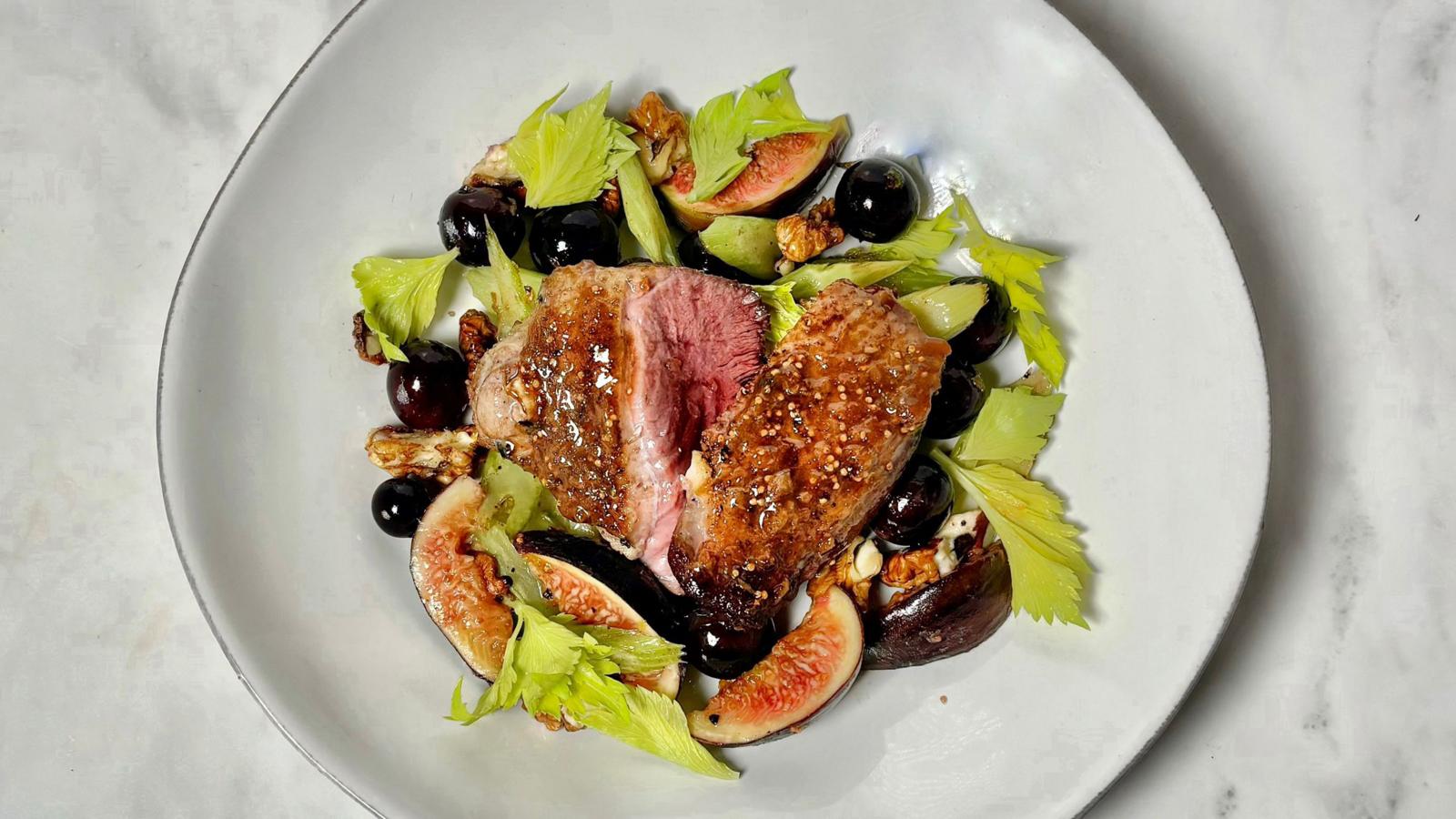
- Grilled Wild Duck Breast Recipe35 Minutes
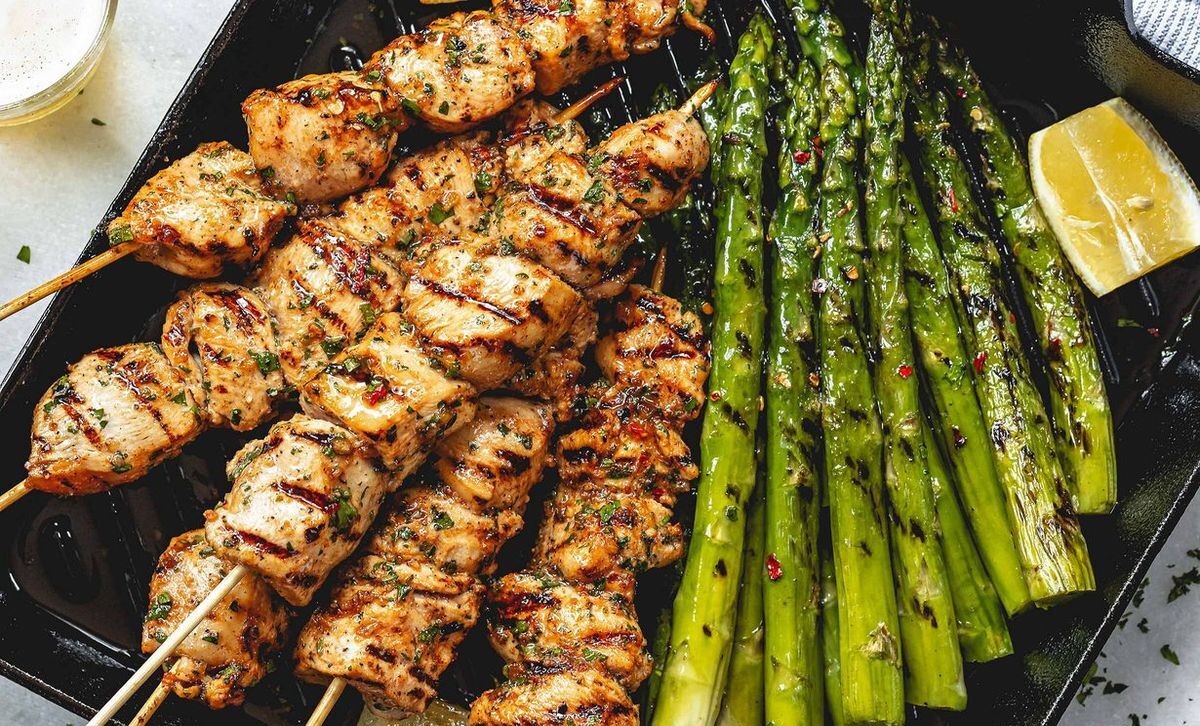
- Grilled Lemon Garlic Chicken Recipe35 Minutes
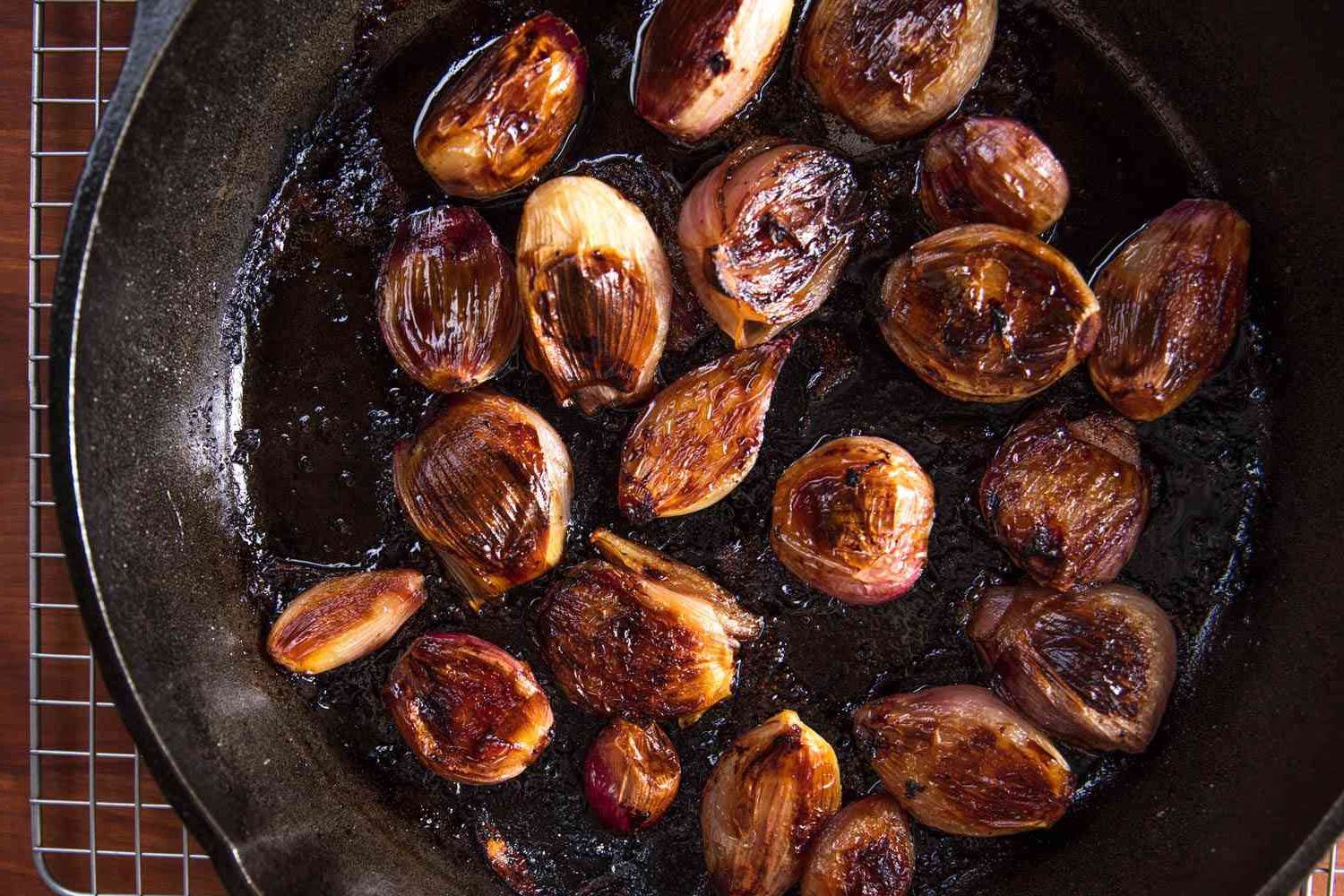
- Grilled Cipollini Onions Recipe30 Minutes
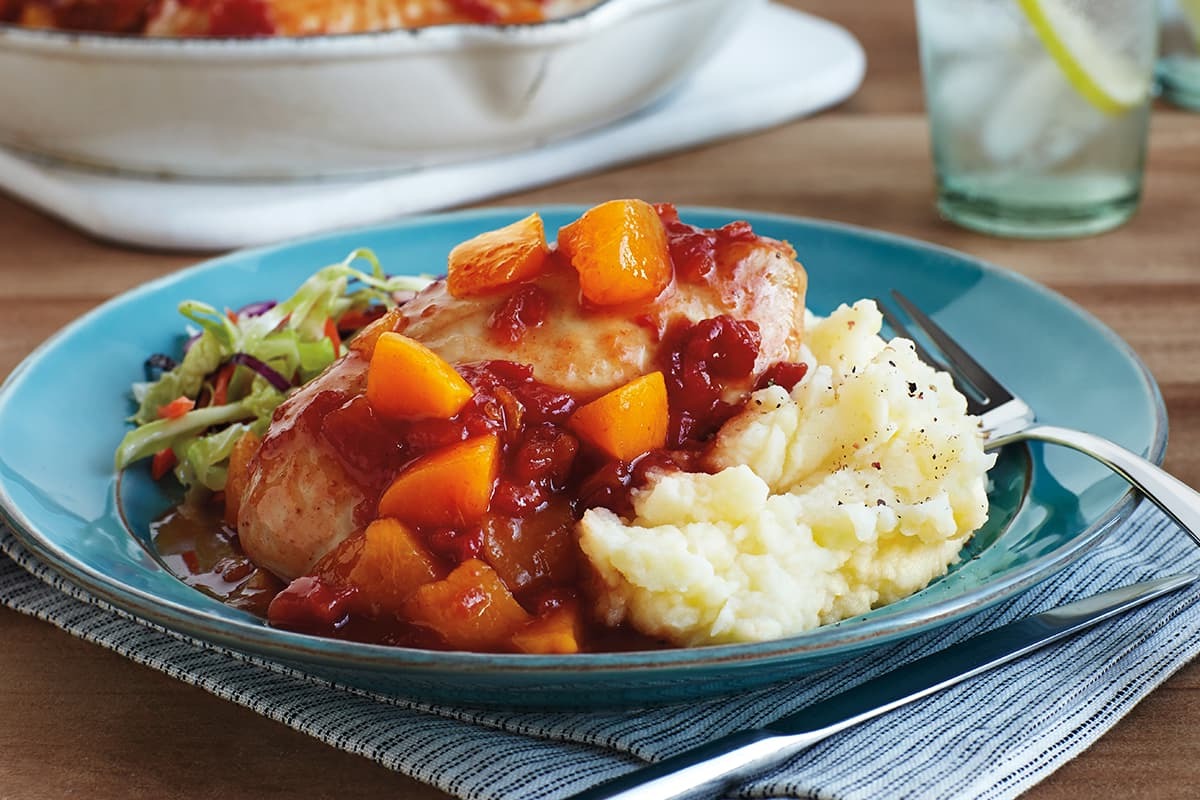
- Grilled Chicken with Peach Sauce Recipe35 Minutes
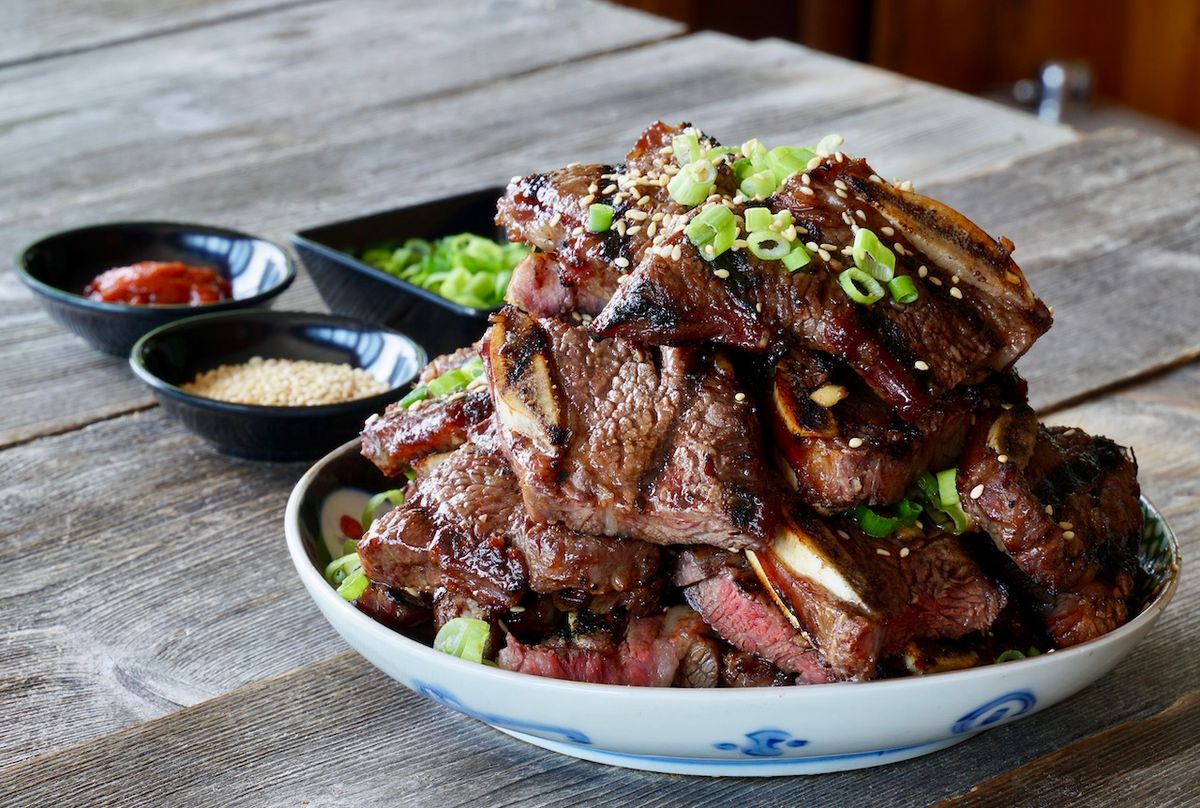
- Grilled Korean-Style Beef Short Ribs Recipe25 Minutes
- Air Fryer Grilled Cheese Sandwich Recipe15 Minutes


Leave a Reply